This guide explains the basics of Dutch grammar for beginners.
You will learn how Dutch verbs work, how to form sentences, and how to use important grammar rules.

Have fun learning Dutch!
Dutch Verb Basics
Dutch verbs change depending on tense and subject.
Understanding the verb stem is the first step.
Verb Stem Rule
The verb stem is the base form of a Dutch verb. You use the stem to conjugate verbs in the present and past tense. The stem is also the form used with ‘I’ (ik).
To find the verb stem, start with the plural form of the verb, which usually ends in -en or -n.
First, remove -en or -n from the verb. This gives you the basic stem. However, the spelling or pronunciation is not always correct yet. In some cases, you need to adjust the spelling to create the correct stem.
These adjustments follow a set of Dutch verb stem rules. There are five rules, but the first four are used most often.
You can also apply these stem rules as spelling rules when writing adjectives, adverbs, and some nouns.
Verb Stem Rules:
- The verb does not change
- The verb does change
- Double consonants
- The V changes to an F and the Z changes to an S
- Remove the diaeresis (ë)
👉 Learn the Dutch verb stem rules with examples
Dutch Verb Tenses
Dutch Present Tense
The present tense in Dutch is based on the verb stem. In most cases, you only need to decide whether to add -t to the verb stem when conjugating the verb.
However, there are some important exceptions. Certain types of verbs follow slightly different conjugation rules:
- Modal verbs (such as will, want, may, must, can, need)
- Auxiliary verbs used to form tenses (to have and to be)
- Separable verbs, which split into two parts in a sentence
These verbs follow different patterns in the present tense.
👉 Now let’s look at how the Dutch present tense works.
Dutch Simple Past Tense (Imperfectum)
In Dutch, the simple past tense mentions an action (or multiple actions) that took place in the past. It’s not clear whether the action has been completed.
There are regular and irregular verbs. Unfortunately, you can’t know in advance which one is regular or irregular. You have to memorize them.
The good thing is that all singular pronouns (ik, je, jij, u, hij, zij, het) use the same form.
👉 Dutch past tense (imperfect) guide
Dutch Present Perfect Tense (Perfectum)
The Dutch present perfect tense (perfectum) is used very often in everyday speech. Many learners find it confusing because it does not always translate directly into English.
In Dutch, the present perfect is often used in situations where English would use the simple past. So why do we use the present perfect instead of the past tense?
In general, the present perfect is used to talk about completed actions in the recent past or to state facts about something that has happened.
For example, you might use it to talk about things you did this past weekend or earlier today.
Of course, the full rules are a bit more complex, but this simplified explanation helps you understand when the Dutch present perfect is commonly used.
👉 Learn how to form the Dutch present perfect tense
Dutch Separable Verbs
Separable verbs in Dutch are verbs that consist of a verb + a prefix. This prefix is often a preposition, but it can also be a noun or an adjective.
When these verbs are used in a sentence, the prefix and the verb often split. The verb stays in the normal verb position, while the prefix usually moves to the end of the sentence.
Whether the verb splits depends on the sentence structure and the tense.
Many learners find Dutch separable verbs difficult to recognize in sentences. Even native Dutch speakers sometimes need a moment to identify them. Don’t worry if this feels confusing at first. With practice and patience, it will become much easier.
👉 Complete guide to separable verbs
Dutch Modal Verbs
A modal verb is a type of auxiliary verb used to express ability, possibility, permission, or obligation.
In Dutch, modal verbs are often used together with another verb. They help explain what someone can do, must do, or wants to do.
Een voorbeeld:
Ik kan goed zwemmen. (I can swim well.)
Examples of Dutch modal verbs include:
- kunnen = can/possible
- zullen = shall
- willen = want
- mogen = allowed to, may
- moeten = must, have to
👉 Learn how Dutch modal verbs work
Dutch Verbs of Position
Dutch verbs of position describe the position or location of a person or object. These verbs are used very often in everyday Dutch. In English, we usually translate these sentences using a form of the verb ‘to be’.
However, Dutch also uses different verbs when a person or object is moving.
The most common Dutch verbs of position are:
- staan (to stand)
- liggen (to lie)
- zitten (to sit)
- hangen (to hang)
- lopen (to run / be operating, used in some specific situations)
These verbs are typically used when a person or object is in a certain position and not moving.
👉 Learn how to use Dutch verbs of position
Word Order in Dutch
Normal Sentence Structure / Inversion
A normal sentence always has a subject and a verb. The rest of the sentence is optional because it depends on what you want to say. The order of a normal sentence is as follows:
subject – verb – when – what/who – where – 2nd verb (infinitive/past participle)
Voorbeeld:
Ik – ga – vanmiddag – die leuke jas – bij Vero Moda – kopen.
Other options are:
subject – verb – when – what – 2nd verb
Ik – ga – vanmiddag – die leuke jas – kopen.
subject – verb – what – were – 2nd verb
Ik – ga – die leuke jas – bij Vero Moda – kopen.
subject – verb – what – 2nd verb
Ik – ga – die leuke jas – kopen.
_____________________________________________________________________________________________
Inversion is very similar to normal sentence structure, but the subject and when switch places. Time is very important in Dutch. You put it right after the first verb or at the beginning of the sentence with inversion.
when – verb – subject – what/who – where – 2nd verb (infinitive/past participle)
Example:
Vanmiddag – ga – ik – die leuke jas – bij Vero Moda – kopen.
Sub Clause / Main Clause
The sub clause ends in a verb, and the main clause begins with a verb. As with normal sentence structure, you may not need all the parts. It depends on what you want to say. The order is as follows:
Sub clause → conjunction (e.g., als, omdat)– subject – when – what – where – verb – (2nd verb) / Main clause → verb – subject – when – what – where – 2nd verb
Voorbeeld:
Als – ik – vanmiddag – tijd – heb / ga – ik – een uurtje – sporten.
conjunction – subject – when – what – verb / verb – subject – when – 2nd verb
Een ander voorbeeld:
Omdat – mijn laptop – kapot – is / moet – ik – een nieuwe (laptop) – kopen.
conjunction – subject – what – verb / verb – subject – what – 2nd verb
Indirect Sentence
This structure begins with a main sentence. After that you add the words dat or of and add a sub clause. The subclause ends in a verb. As with normal sentence structure, you may not need all the parts. It depends on what you want to say. The order is as follows:
Main sentence + dat/of + sub clause (all verbs of the sub clause come at the end)
Voorbeeld:
Ik – denk (main sentence) / dat / ik – vanmiddag – ga – sporten. (sub clause)
subject – verb / dat / subject – when – verb – 2nd verb.
Een ander voorbeeld:
Mijn zus – twijfelde / of / ze – op de fiets of met de bus – naar school – zou – gaan.
subject – verb / dat or of / subject – what – where – verb – 2nd verb.
Important Dutch Grammar Topics
Adjectives
Adjectives can be very useful. They can say something or give more information about a noun. In Dutch, adjectives are used very often. Below are the most common rules.
The two basic rules for adjectives are:
- When the adjective comes before the noun → add an -e.
- When the adjective comes after the noun → don’t add an -e.
Voorbeeld van de basisregels:
- Het mooie huis. / De dure auto.
- Het huis is mooi. / De auto is duur.
There are of course exceptions to these rules. The exceptions mainly apply to basic rule number one. Let’s talk about the most important exception rule: When we don’t add an -e.
Exception rule 1:
If we replace the definite article ‘het‘ with the indefinite article ‘een‘ → the -e will be removed. (This rule doesn’t apply to the definite article de.)
Voorbeeld:
Het mooie huis → Een mooi huis.
Because we changed the article ‘het’ into the article ‘een’ → we remove the -e.
But if we apply this same rule for the article ‘de‘, the -e stays.
Voorbeeld:
De dure auto. → Een dure auto.
Important note! In some cases when adding an -e, you also have to adjust the spelling. See the examples below:
Deze tas is goedkoop. → Dit is een goedkope tas. (remove an -o)
Karel is erg ambitieus. → Karel is een ambitieuze man. (change s in z)
Mijn knie is erg dik. → Ik heb een dikke knie. (add an extra -k to keep the vowel sound short)
Meer voorbeelden van adjectieven:
| Adjectief | Vertaling |
| mooi | beautiful |
| lekker | tasty, nice |
| leuk | nice |
| gezellig | fun, nice (social situations) |
| vies | dirty, disgusting |
| schoon | clean |
| oud | old |
| jong | young |
| licht | light |
| donker | dark |
I will add more exception rules for adjectives.
Articles
In Dutch, there are three articles: de, het and een. Articles are never used on their own; they are always in front of nouns.
- De → masculine or feminine nouns.
- Het → neuter nouns (neuter nouns are again identified by the article het).
- Een → both (neuter, masculine and feminine).
Een paar voorbeelden:
de man → een man
de auto → een auto
het meisje → een meisje
het huis → een huis
There are no real rules for using de and het. However, there are some things to keep in mind.
De – words
| All plural forms | Trees, plants, vegetables, and fruit | Letters and numbers | People, mountains or rivers | Professions |
| de mannen | de eik | de A | de vader | de bakker |
| de huizen | de varen | de C | de zus | de slager |
| de meisjes | de bloemkool | de zes | de Mont Blanc | de kapper |
| de auto’s | de appel | de derde | de Maas | de verkoper |
| de glazen | de banaan | de drie | de Rijn | de leraar |
Het – words
| All diminutives (-je, -tje, -pje, -etje, -nkje) | Names of languages, metals, and wind directions | Nouns that end in: –isme, -ment, -sel en -um | Nouns with with two or more syllables beginning with: be-, ge-, ver- and ont-: |
| het mannetje | het Nederlands | het veganisme | het behang |
| het huisje | het Engels | het moment | het begin |
| het autootje | het goud | het voedsel | het gebak |
| het meisje | het zilver | het centrum | het verhaal |
| het glas | het oosten | het museum | het ontbijt |
In the following cases we don’t use an article:
- indefinite nouns in plural form: In het park spelen veel kinderen.
- non-countable nouns: Wil je melk in je koffie?
- names, professions, nationalities or capacities: Hij is arts; Ze is Spaans; Hij is lid van de sportvereniging.
- in fixed combinations: peper en zout, postcode en huisnummer, etc.
- usually after als and zonder: Meestal ga ik zonder tas naar de winkel.
- names of continents, countries, cities, etc.: Jan woont in Utrecht.
- many placeholder compounds with a preposition: aan tafel, in bed, naar huis, etc.
Comparative/Superlative
You use the comparative to compare two things.
The superlative you use to indicate that something or someone possesses the highest or lowest degree of an attribute in a group. It shows the extreme quality of that attribute in one member of the group. It highlights the distinction within the group.
How do you use the comparative?
→ Add -er to the adjective. We also often add the word dan to make the comparison clearer.
Een paar voorbeelden:
leuk → leuker
Wandelen is leuker dan op de bank zitten.
gezellig → gezelliger
Ik vind een café gezelliger dan een nachtclub.
mooi → mooier
Mijn moeder vindt pioenrozen mooier dan lelies.
Keep in mind that you sometimes have to adjust the spelling.
Een paar voorbeelden:
dun → dunner (add an extra consonant → -n)
Een tijdschrift is dunner dan een boek.
groot→ groter (remove one vowel → -o)
Jouw appel is groter dan die van mij.
ambitieus → ambitieuzer (change s into → -z)
Tina is veel ambitieuzer dan Amy.
You also have to apply the rules for the adjectives. Add an -e to the adjective, or not. Consider this when placing the comparative before a noun.
Exception rule: Does the adjective end in an -r? → add -der instead of -er.
Een paar voorbeelden:
duur → duurder
Boodschappen doen wordt elk jaar duurder.
ver → verder
Mindy kon de bal veel verder gooien dan ik.
zuur→ zuurder
Ik ben gek op zure snoepjes. Hoe zuurder, hoe beter.
How do you use the superlative?
→ Add -st(e) to the adjective.
Een paar voorbeelden:
goedkoop → goedkoopst(e)
De chocolade van Delicata is het goedkoopst(e).
oud → oudst(e)
Ik heb drie zussen en één broer, maar ik ben niet de oudst(e).
nieuw → nieuwst(e)
Heb je het nieuwst(e) seizoen van Young Sheldon al gezien?
There are also a few irregular forms. Try to memorize these, because we use them a lot.
graag – liever – het liefst(e)
goed – beter – het best(e)
weinig – minder – het minst(e)
veel – meer – het meest(e)
Connecting words/Signal words
Connecting words are words or phrases that help you connect sentences and paragraphs logically. They provide a smooth and clear transition between ideas, making your text easier to understand. Below you’ll find connecting words per category.
Note! The English translation may change depending on the context.
1. Cause and reason
- Omdat (because)
- Doordat (because)
- Aangezien (since)
- Want (because)
- Daarom (therefore)
→ Voorbeeld: Ik ben thuis gebleven, omdat ik ziek was.
2. Consequence
- Daardoor (as a result)
- Dus (so)
- Zodat (so that)
- Vandaar (hence)
- Hieruit volgt dat (it follows that)
→ Voorbeeld: Het regende hard, dus we bleven binnen.
3. Purpose and means
- Om … te (to)
- Met de bedoeling om (with the intention to)
- Opdat (in order that)
- Daarvoor (before that)
- Hiermee (with this)
→ Voorbeeld: Hij studeert hard om een goed cijfer te halen.
4. Opposition
- Maar (but)
- Echter (however)
- Toch (yet)
- Daarentegen (on the other hand)
- Desondanks (nevertheless)
→ Voorbeeld: Hij wilde naar buiten, maar het regende.
5. Summary
- En (and)
- Bovendien (in addition)
- Daarnaast (in addition)
- Verder (furthermore)
- Niet alleen … maar ook (not only… but also)
→ Voorbeeld: Ik houd van lezen en van schrijven.
6. Comparison
- Zoals (such as)
- Evenals (like)
- Net als (just like)
- In vergelijking met (in comparison with)
- Op dezelfde manier (in the same way)
→ Voorbeeld: Hij werkt hard, net als zijn broer.
7. Time
- Toen (then)
- Terwijl (while)
- Nadat (after)
- Zodra (as soon as)
- Eerst … daarna (first … after)
→ Voorbeeld: Eerst maakte hij zijn huiswerk, daarna ging hij tv kijken.
8. Condition
- Als (As)
- Indien (if)
- Mits (provided)
- Tenzij (unless)
- Op voorwaarde dat (provided that)
→ Voorbeeld: Je mag mee, mits je op tijd bent.
9. Conclusion and Summary
- Kortom (in short)
- Dus (so)
- Concluderend (in conclusion)
- Samengevat (in summary)
- Al met al (all in all)
→ Voorbeeld: Het was een lange dag, maar we hebben veel geleerd. Kortom, het was nuttig!
Niet or geen?
To make a sentence negative, we use the words geen and niet .
We use geen for non-specific nouns. These are nouns without an article, de or het. It is actually the negative form of een (a/an → no/none).
Voorbeelden:
| Negatieve zin | Vertaling | |
| With a non-specific article | Ik heb geen hond. (een hond) | I don’t have a dog. |
| Without an article | Ik heb geen kinderen. (kinderen) | I don’t have children. |
Niet can be used for other parts of grammar. Think of verbs, prepositions, adjectives/adverbs and specific nouns (with de or het). We can place niet before and after a word.
Voorbeelden:
| Before | After | Zin | Vertaling |
| Prepositions | X | We gaan dit jaar niet op vakantie. | We’re not going on vacation this year. |
| Adjectives/Adverbs | X | Het eten smaakt niet lekker. | The food doesn’t taste good. |
| Second verbs | X | Ik kan niet dansen. | I can’t dance. |
| X | First verb | Tess werkt niet. | Tess doesn’t work. |
| X | Specific nouns (nouns with de/het or a possessive) | Ik heb de blauwe pen niet. | I don’t have the blue pen. |
| X | Pronouns | Ik ken haar niet. | I don’t know her. |
Prepositions of Place
Prepositions of place show where something or someone is located.
Which prepositions of place do we use the most?
In
(in)
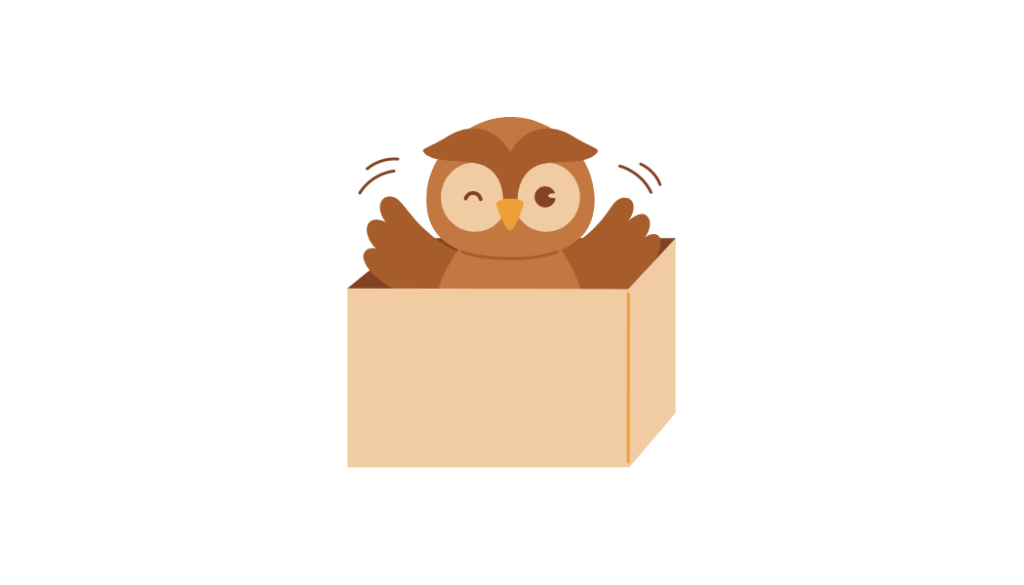
→ iets bevindt zich binnen een ruimte.
Op
(on top)
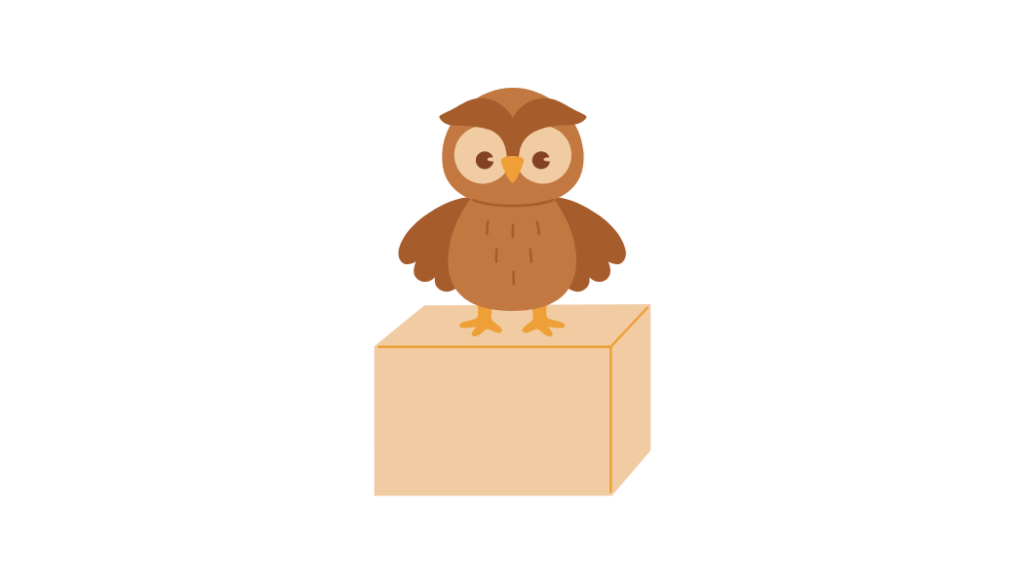
→ iets bevindt zich bovenop een oppervlak.
Onder
(under)
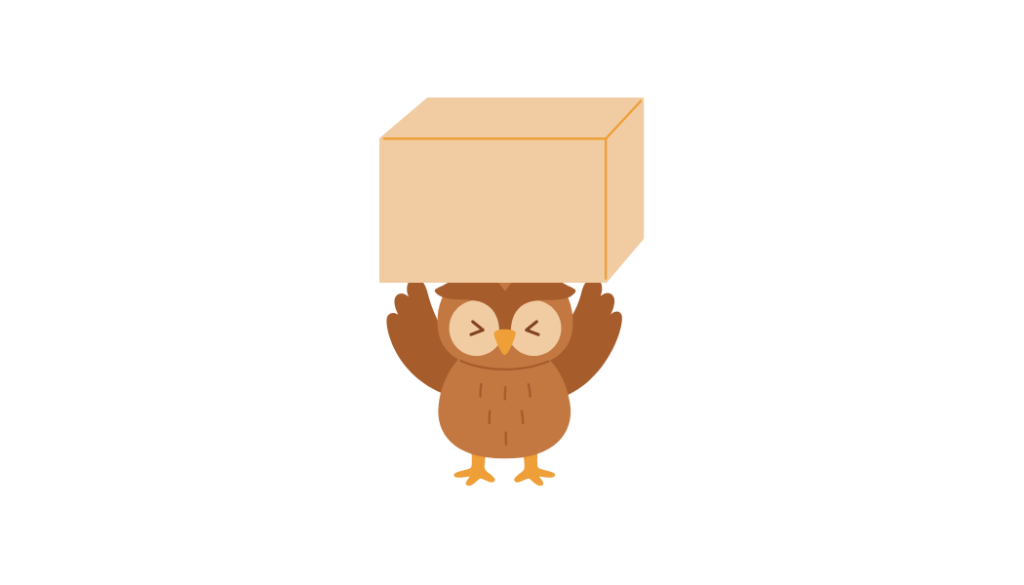
→ iets bevindt zich lager dan iets anders.
Achter
(behind)
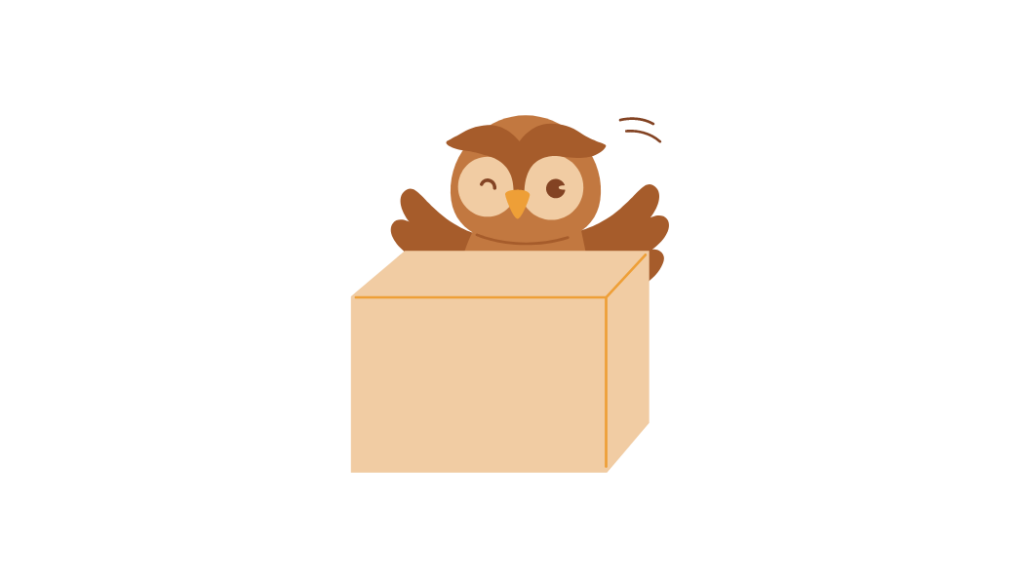
→ iets bevindt zich aan de achterkant van iets anders.
Voor
(in front)
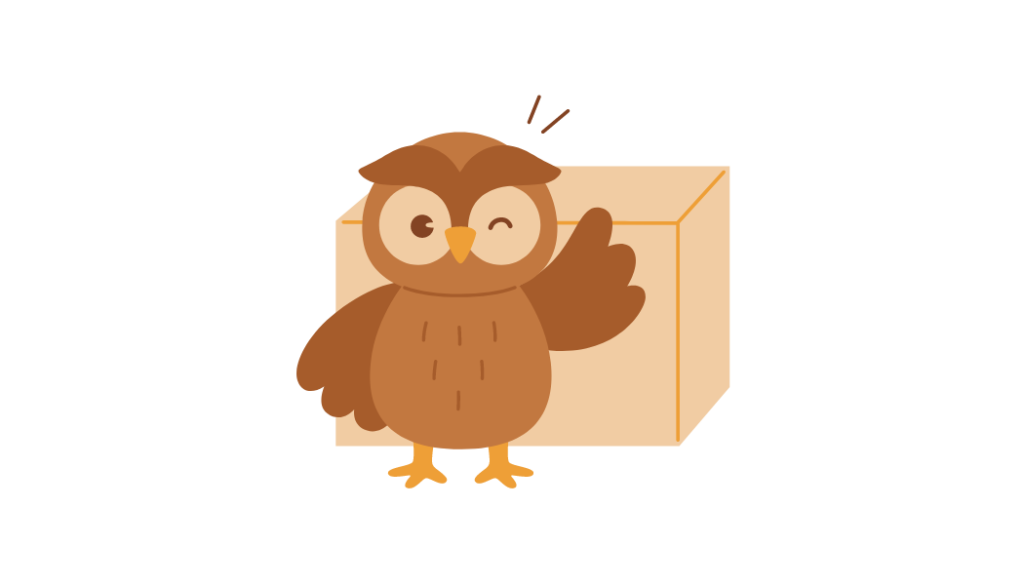
→ iets bevindt zich aan de voorkant van iets anders.
Naast
(next)
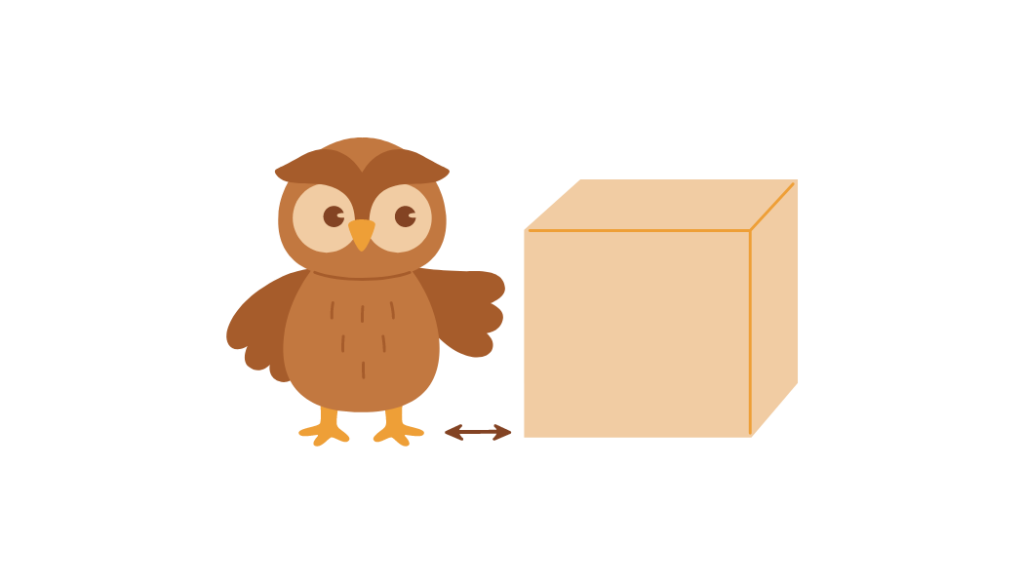
→ iets bevindt zich aan de zijkant van iets anders.
Boven
(above)
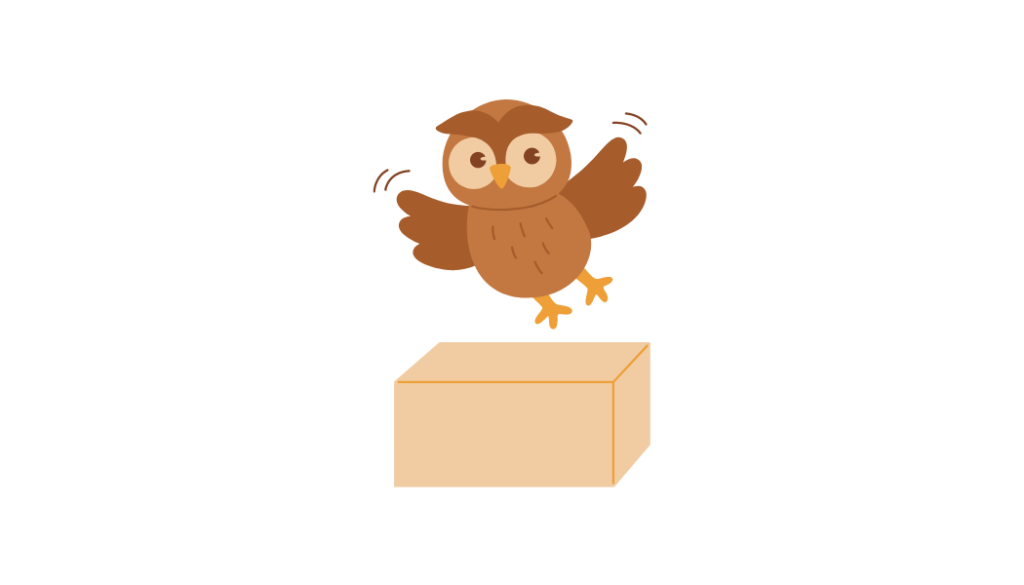
→ iets bevindt zich boven iets anders.
Tussen
(in between)
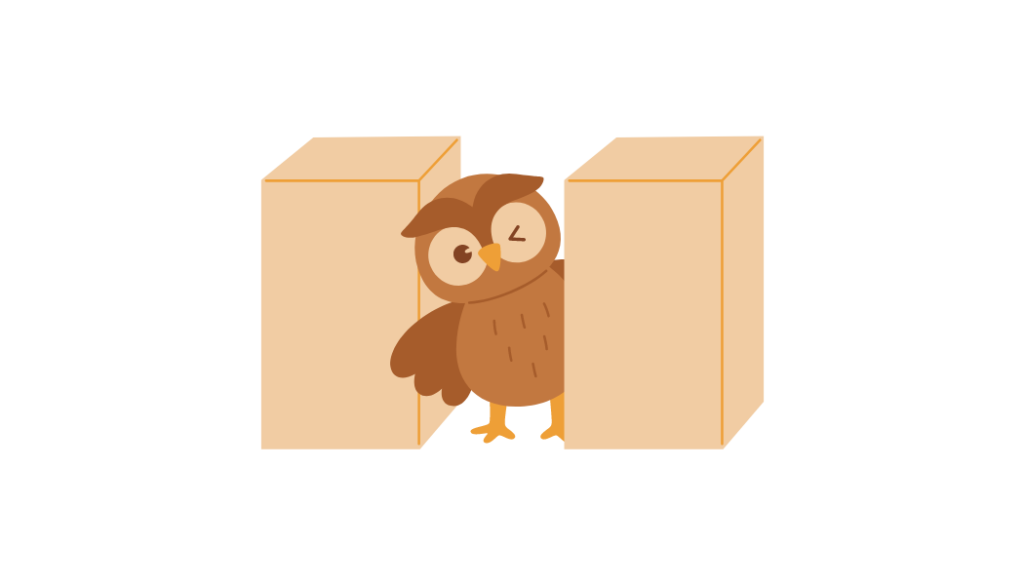
→ iets bevindt zich in de ruimte van twee andere dingen.
Aan
(on)
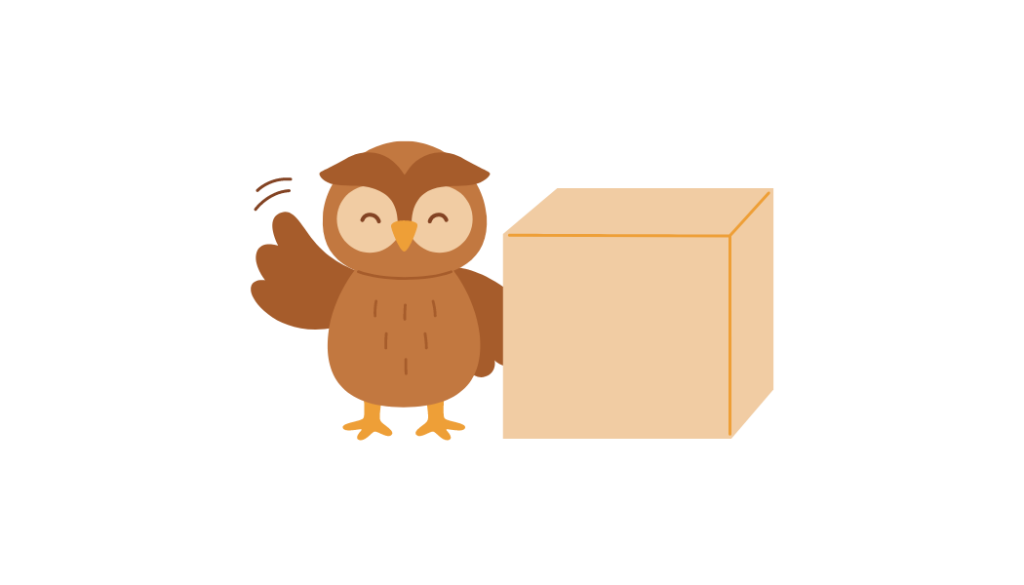
→ iets bevindt zich aan iets anders.
Een paar voorbeelden:
- De boeken liggen in de boekenkast.
- Het glas staat op de tafel.
- De kat ligt onder het bed.
- De auto staat voor het huis.
- De tuin zit achter het huis.
- De stoel staat naast de bank.
- De lamp hangt boven de tafel.
- Het nachtkastje staat tussen het bed en het raam.
- Het schilderij hangt aan de muur.
- → The books are in the book case.
- → The glass is on the table.
- → The cat is under the bed.
- → The car is in front of the house.
- → The garden is behind the house.
- → The chair is next to the couch.
- → The lamp is above the table.
- → The night stand is in between the bed and the window.
- → The painting is on the wall.
Prepositions of Time
Prepositions of time show when something happens.
Which prepositions of place do we use the most?
In
(in)
→ wordt gebruikt voor langere tijdsperiodes – maanden, jaren of dagdelen.
Op
(on)
→ wordt gebruikt voor specifieke dagen of data.
Om
(at)
→ wordt gebruikt voor exacte tijdstippen.
Sinds
(since)
→ geeft aan wanneer iets is begonnen en nog steeds duurt.
Tot
(till)
→ geeft het einde van een periode aan.
Vanaf
(from)
→ geeft het begin van een periode aan.
Voor/Na
(before/after)
→ verwijzen naar tijd voor of na een bepaald moment.
Een paar voorbeelden:
- We gaan in augustus op vakantie.
- Ik heb op maandag een afspraak.
- De trein vertrekt om 9 uur.
- Ik woon hier sinds 2020.
- We blijven hier tot vrijdag.
- De winkel is vanaf 9.00 uur open.
- We gaan voor de film iets eten.
- → We are going on vacation in August.
- → I have an appointment on Monday.
- → The train leaves at 9 a.m.
- → I live here since 2020.
- → We will stay here until Friday.
- → The store is open from 9 a.m. onwards.
- → We’re going to eat something before the movie.
Pronouns
Pronouns are words that refer to persons, animals or things without naming them. The most common pronouns are personal, possessive, interrogative and demonstrative pronouns.
Personal Pronouns
The personal pronoun refers to a person or a group of people without referring to them by name.
Personal pronouns include:
| Persoonlijk voornaamwoord | Vertaling |
| ik | I |
| je, jij | you |
| u | polite you |
| hij | he |
| zij | she |
| het | it |
| we, wij | we |
| jullie | plural you |
| ze, zij | they |
Voorbeelden:
- Ik ben vandaag jarig.
- We gaan morgen op vakantie.
Possessive Pronouns
The possessive pronoun almost always precedes a noun. The noun belongs to someone (it indicates a possession).
Possessive pronouns include:
| Bezittelijk voornaamwoord | Vertaling |
| m’n, mijn | mine |
| je, jouw | yours |
| uw | polite yours |
| z’n, zijn | his |
| haar, d’r | hers |
| ons, onze | we |
| je, jullie | plural you |
| hun | they |
Voorbeelden:
- Ze is haar jas vergeten. (→ haar jas = her coat/jacket)
- Heb je m’n/mijn aantekeningen gezien? (→m’n/mijn aantekeningen = my notes)
Interrogative Pronouns
The interrogative pronoun refers to persons or things that “ask” about something.
- If there is a question mark at the end of a sentence, you are often dealing with an interrogative pronoun.
- Asking pronouns always refer to something or someone.
Questioning pronouns are:
| Vragend voornaamwoord | Vertaling |
| wie | who |
| wat | what |
| welk(e) | which, which one |
| wat voor (een) | what, what kind of |
Voorbeelden:
- Wie gaat er mee naar de bioscoop?
- Welke tas vind je het mooist? (→ de tas)
Demonstrative Pronouns
A demonstrative pronoun (almost) literally designates something or someone.
Demonstrative pronouns include:
| Aanwijzend voornaamwoord – de | Vertaling | Aanwijzend voornaamwoord – het | Vertaling |
| deze | this one | dit | this one |
| die | that one | dat | that one |
| dergelijke(n) | such, such-and-such | zulk, zulke(n) | such |
| degene(n) | the one, those, who, whoever | zo’n | such |
| diegene(n) | the one, those, who, whoever | hetgene(n) | the thing |
| datgene(n) | that, which |
Voorbeelden:
- Dit gerecht is erg lekker!
- Degene die vandaag koffie haalt, krijgt een extra gebakje.
Question words
A question word is a word that introduces an open-ended question. It can be an interrogative pronoun (e.g., wie, wat, welk/welke), an interrogative adverb (e.g., waar, wanneer, hoe), an interrogative pronoun adverb (e.g., waarmee, of waarvan) or the interrogative numeral hoeveel
Een paar voorbeelden:
| Vraagwoord | Zin | Vertaling |
| Wie | Wie gaan er allemaal (mee)? | Who are all going? |
| Wat | Wat wil je graag hebben voor je verjaardag? | What would you like to have for your birthday? |
| Welk(e) | Welke jas is van jou? | Which coat is yours? |
| Waar | Waar ga je naartoe? | Where are you going? |
| Wanneer | Wanneer ben je jarig? | When is your birthday? |
| Hoe | Hoe ga je meestal naar je werk? | How do you usually go to work? |
| Waarmee | Waarmee kan ik de ramen schoonmaken? | What can I use to clean the windows? |
| Waarvan | Waarvan moet ik dat betalen? | What should I pay that from? |
| Hoeveel | Hoeveel kinderen heb je? | How many children do you have? |
The word: ‘er’+ place
We use the word ‘er’ to refer back to things we talked about before. In this case, we use the word ‘er’ to refer back to a place or location.
Instead of using ‘er‘ (general use), you can also use ‘hier‘ or ‘daar‘. This is useful if you want to be a bit more specific. ‘Hier‘ is often used for locations/places close by and ‘daar‘ for locations/places that are further away.
Er, hier and daar usually are placed directly after the first verb.
We can also begin the sentence with ‘hier‘ or ‘daar‘ when referring back to a location/place. Starting the sentence with ‘er‘ in these situations is not possible.
Een paar voorbeelden:
The words ‘er, hier and daar‘ replace the underlined location/place.
- Het nieuwe Italiaanse restaurant in de stad is erg goed. We eten er elke maand.
- Ik woon al tien jaar in Spanje. Het is er/hier/daar heel mooi.
- Mijn zus woont sinds kort in Amsterdam. Ze studeert daar geneeskunde.
- Mijn zus woont sinds kort in Amsterdam. Daar studeert ze geneeskunde.
- Ben jij weleens in Vietnam geweest? Het is er/daar erg warm.
- Ben jij weleens in Vietnam geweest? Daar is het erg warm.
The word: ‘er’+ amount
Er can refer to an amount and replaces the noun.
The word er comes before the amount.
Een paar voorbeelden:
- Hoeveel broers heb je? → Ik heb er drie.
(er = broers)
- Hoeveel bakjes koffie drink je per dag? → Ik drink er drie of vier per dag.
(er = kopjes koffie)
The word: ‘er’+ other uses
Something that exists or is present
Er is used to show that something exists or is present.
Voorbeeld:
- Er is een probleem.
(A problem exists)
With prepositions
Er + preposition helps to refer to something without repeating it.
Voorbeeld:
- Wanneer stuur je de ontbrekende documenten op? → Ik wacht erop.
(er = de ontbrekende documenten)
Do you want to learn more Dutch?
I’ve got you covered! Practice your Dutch pronunciation or book a free trial lesson with me.
See you soon!